
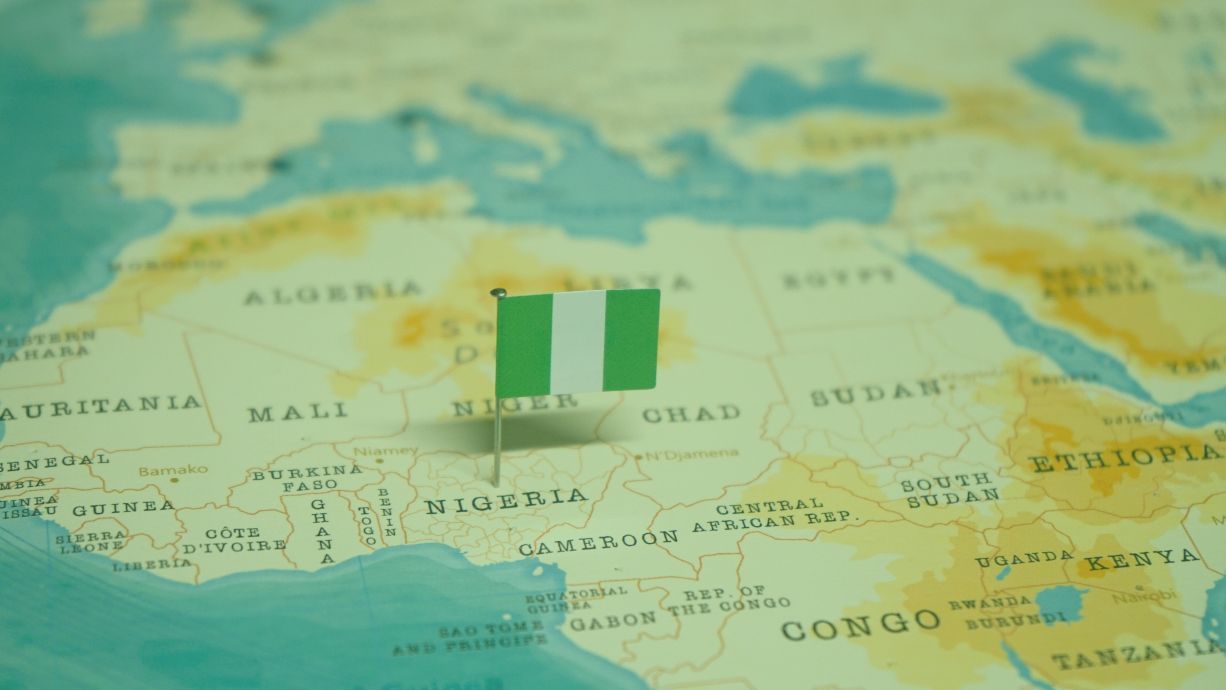
Nigeria is currently facing one of its most difficult economic periods in recent decades, with rising inflation and increasing living costs placing enormous pressure on households, businesses, and the broader economy. Across major cities such as Lagos, Abuja, Kano, and Port Harcourt, millions of Nigerians are struggling with higher prices for food, transportation, fuel, electricity, housing, healthcare, and essential goods. As inflation continues to affect purchasing power, the cost-of-living crisis has become one of the country’s most important social and economic challenges.
Inflation occurs when the general prices of goods and services rise over time, reducing the purchasing power of money. In Nigeria, inflation has remained persistently high due to a combination of economic reforms, currency depreciation, supply chain disruptions, insecurity, energy costs, and global market pressures. According to recent economic reports, food inflation remains one of the biggest contributors to rising living costs in the country.
One of the most significant factors driving inflation in Nigeria is the removal of fuel subsidies. For years, the Nigerian government spent billions of dollars subsidizing petrol prices to keep fuel affordable for consumers. However, recent reforms aimed at reducing government spending and improving fiscal stability led to the removal of many subsidy programs. As fuel prices increased, transportation costs, logistics expenses, and electricity generation costs also rose sharply. Since transportation affects almost every sector of the economy, higher fuel prices quickly translated into more expensive food, goods, and services nationwide.
Currency depreciation has also played a major role in Nigeria’s inflation crisis. The Nigerian naira has weakened significantly against major international currencies, especially the US dollar. Since Nigeria imports many products, raw materials, machinery, pharmaceuticals, and industrial goods, the weaker naira has made imports much more expensive. Businesses often pass these increased costs directly to consumers, resulting in higher prices across multiple industries.
Food inflation remains particularly severe because agriculture faces numerous challenges, including insecurity, flooding, transportation difficulties, rising fertilizer costs, and limited infrastructure. Farmers in some regions have struggled to maintain production due to security concerns and operational costs, reducing food supply and increasing prices. Staple foods such as rice, bread, cooking oil, tomatoes, and grains have become significantly more expensive for ordinary Nigerians.
Electricity and energy costs are another major burden. Many businesses and households rely heavily on private generators due to unreliable public electricity supply. Rising diesel and petrol prices have increased the cost of running generators, making it more expensive for businesses to operate. Manufacturers, retailers, restaurants, logistics companies, and small businesses are all affected by these higher operating expenses.
The impact of inflation is especially difficult for low-income families and young people. Salaries in many sectors have not increased at the same pace as inflation, meaning household purchasing power continues to decline. Many Nigerians now spend a larger percentage of their income on food, transportation, rent, and utilities, leaving less money available for education, healthcare, savings, and investments.
Small and medium-sized enterprises (SMEs), which form the backbone of Nigeria’s economy, are also under pressure. Rising operational costs, expensive imports, limited access to foreign currency, and declining consumer spending have created difficult conditions for many businesses. Some companies have reduced staff, increased prices, or scaled down operations to survive the challenging economic environment.
Despite these difficulties, Nigeria’s government argues that some of the economic reforms are necessary for long-term financial stability and investment growth. Officials believe that reducing fuel subsidies, improving foreign exchange policies, and encouraging private sector investment could eventually strengthen the economy and attract international investors. However, many Nigerians remain concerned about the short-term social impact of these reforms.
Global economic conditions have also contributed to Nigeria’s inflation problems. International energy prices, supply chain disruptions, geopolitical tensions, and global interest rate increases have affected many developing economies, including Nigeria. The country’s dependence on imports and oil revenues makes it particularly vulnerable to international market fluctuations.
Technology and digital entrepreneurship are becoming important coping mechanisms for many young Nigerians facing economic hardship. Freelancing, online businesses, fintech, content creation, e-commerce, and remote work opportunities are helping some individuals generate additional income outside traditional employment channels. However, these opportunities are still not sufficient to offset the broader economic challenges affecting millions of people nationwide.
Experts believe that reducing inflation in Nigeria will require a combination of stronger monetary policies, improved agricultural productivity, infrastructure investment, exchange rate stability, energy sector reforms, and increased local manufacturing. Expanding domestic production could reduce dependence on imports and help stabilize prices over the long term.
In conclusion, inflation and the rising cost of living have become major challenges in Nigeria due to economic reforms, fuel price increases, currency depreciation, food supply pressures, and global economic uncertainty. While the country continues to pursue long-term economic transformation, millions of Nigerians are facing immediate financial difficulties that affect daily life, business operations, and overall economic stability. The ability of policymakers to balance reform efforts with social protection measures will play a crucial role in determining Nigeria’s economic future.